When you rely on your HVAC system to keep your home comfortable year-round, it’s important to recognize the early warning signs that it may be time for an upgrade. Even the most well-maintained systems eventually wear out. And when they do, you’ll start noticing red flags—some subtle, some very obvious—that indicate your system is no longer running efficiently or safely.
Whether you’re in Coeur d’Alene, ID or anywhere with seasonal temperature swings, staying ahead of HVAC issues helps you avoid breakdowns, save money, and protect your indoor air quality. In this comprehensive guide, we’ll explore 10 clear signs your HVAC system is begging for an upgrade, why they matter, and what you should do next. We’ll also note where a trusted local company like Cool-It Heating & Air can help you take that next step toward comfort and reliability.
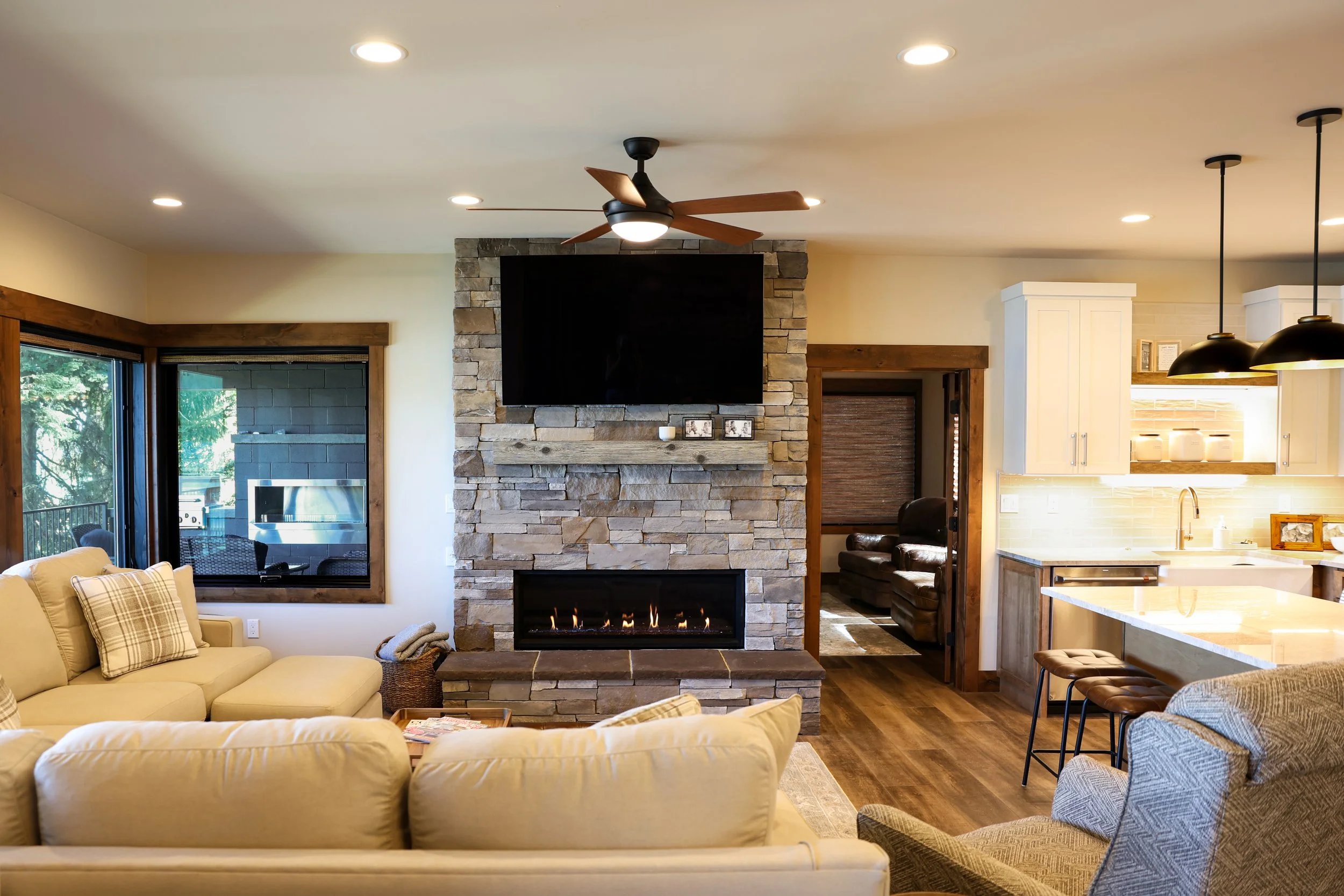
Custom Home Gas Fireplace Installed by Cool-it Heating & Air
1. Your System Is More Than 10–15 Years Old
Age is one of the biggest indicators that your HVAC system is nearing the end of its life. Most units last about 10–15 years, depending on the brand, maintenance routines, and how hard they’ve been working.
As systems age, they lose efficiency, experience more breakdowns, and cost more to operate. Even if older units still run, they often perform at a fraction of their original capability.
If your system is over a decade old—especially if you live in a climate like Coeur d’Alene, ID, where winters can be harsh and summers warm—it’s a strong sign it’s time to evaluate replacement options.
2. Rising Energy Bills With No Clear Explanation
One of the first signs homeowners notice is a gradual increase in utility bills. If your heating and cooling costs continue climbing but your usage habits haven’t changed, your HVAC system may be working twice as hard to produce the same level of comfort.
Older or failing systems lose efficiency due to:
Worn-out components
Leaking ductwork
Low refrigerant
Inefficient motors
A newer, high-efficiency system can reduce monthly energy bills significantly—sometimes by 20–40%.
3. Frequent Repairs Are Draining Your Wallet
If you’re calling your HVAC technician more often than you used to, that’s a major sign your system is reaching the end of its life. Repairs once every few years are normal, but repairs multiple times per season indicate systemic issues.
A good rule of thumb:
If your repair cost is more than 50% of the price of a new system, replacement is the smarter long-term choice.
Companies like Cool-It Heating & Air often help homeowners compare repair vs. replacement costs to determine which is the best investment.
4. Uneven Temperatures Throughout the Home
Do some rooms feel too hot, too cold, or like they never match the thermostat? Uneven temperatures mean your system is struggling to distribute air effectively.
This can happen due to:
Failing blower motors
Ductwork issues
Undersized systems
Aging equipment
A modern HVAC unit is designed to maintain steady, balanced comfort throughout the entire home. If your system can’t do that anymore, it’s a sign it’s time to upgrade.
5. Strange Noises or Smells Coming From the System
Your HVAC system should operate quietly and cleanly. If you start hearing odd noises—such as grinding, banging, rattling, or knocking—your system may have serious mechanical issues.
Unusual smells can also be warning signs:
Burning smells → electrical issues or overheating
Musty odors → mold in ducts or evaporator coils
Chemical scents → refrigerant leaks
Ignoring noises or odors can lead to costly damage or safety concerns.
6. Poor Indoor Air Quality
Your HVAC system does more than heat and cool—it also plays a major role in your indoor air quality. If you’re noticing more dust, humidity problems, allergies, or respiratory irritation, your system may not be properly filtering or circulating air.
An older or failing unit often struggles to:
Control humidity levels
Filter dust, pollen, and pollutants
Maintain proper ventilation
An upgraded system with modern filtration can dramatically improve the health and comfort of your home.
7. Your System Uses R-22 Refrigerant
If your HVAC system was installed before 2010, there’s a good chance it uses R-22 (Freon), a refrigerant that has been phased out due to environmental regulations. Because it’s no longer produced, R-22 is extremely expensive and difficult to source.
If your older system leaks refrigerant, you may face repair costs that exceed the value of the unit. Replacing the entire HVAC system is usually the most practical solution.
8. Your Home Is Always Too Humid or Too Dry
Humidity imbalances often indicate your HVAC system is no longer capable of maintaining proper moisture levels.
High humidity makes your home feel sticky and warm, while low humidity causes:
Dry skin
Static electricity
Cracked wood floors
Irritated sinuses
Modern HVAC systems offer enhanced humidity control, keeping your home comfortable year-round.
9. Your System Struggles to Keep Up During Extreme Weather
If your HVAC system runs constantly during winter or summer but still fails to reach the set temperature, it may be losing efficiency.
Homeowners in Coeur d’Alene, ID experience cold winters and warm summers—meaning your system has to perform reliably on both ends of the spectrum. When an aging unit can’t keep up, it often signals internal decline.
A newer high-efficiency unit can maintain precise comfort without running excessively or driving up your utility bills.
10. Your System Is Loud and Constantly Cycling On and Off
Short cycling—when your HVAC system turns on and off repeatedly—is a sign of:
Electrical issues
Overheating
Sensor failures
Compressor problems
Incorrect system sizing
This behavior not only reduces comfort but also puts major stress on your system, accelerating its decline. A properly matched system will run smoothly and efficiently without constantly shutting down and restarting.
Why Upgrading Your HVAC System Is a Smart Investment
When homeowners finally upgrade their aging HVAC system, they often experience immediate benefits, such as:
✔ Lower energy bills
New systems use advanced technology that requires far less energy to heat and cool your home.
✔ Improved indoor air quality
Better filtration, humidity control, and ventilation mean a healthier living environment.
✔ More consistent comfort
No more hot or cold spots—just even, reliable temperatures throughout your home.
✔ Reduced repair costs
A new system eliminates the constant need for service calls and emergency fixes.
✔ Higher home value
Modern HVAC equipment adds appeal and boosts resale value.
If you're considering an upgrade, companies like Cool-It Heating & Air can guide you through selecting the right system for your home and climate in Coeur d’Alene, ID and surrounding areas.
How to Know It’s Time: A Quick Summary
If you’re experiencing two or more of these signs, your HVAC system is likely begging for an upgrade. And the longer you wait, the more you risk spending on repairs, energy bills, and emergency replacements.
Conclusion
Upgrading your HVAC system isn’t just about comfort—it’s about efficiency, safety, and long-term savings. Whether your system is aging, noisy, unreliable, or simply unable to keep your home comfortable, recognizing the warning signs early can save you stress and money. Homeowners in Coeur d’Alene, ID especially benefit from reliable heating and cooling due to the region’s seasonal climate.
If you’re noticing any of these signs, it may be time to consult a trusted local professional like Cool-It Heating & Air. A modern, efficient HVAC system can transform your home’s comfort and bring peace of mind for years to come.