
Is Your 20-Year-Old HVAC Costing You More Than You Think? Here’s Why Replacement Is the Smart Move
If you’ve been holding onto a 15–20-year-old HVAC system, chances are you’re spending more money than you realize—both upfront and behind the scenes. While there’s no special industry term for replacing a system at this age, it’s universally recognized as an HVAC system that has simply reached the end of its average lifespan. And when systems reach that point, they tend to become less efficient, more expensive to fix, and far more unpredictable.
Whether you live in Spokane or the surrounding region, your HVAC system is one of the hardest-working systems in your home, battling hot summers and freezing winters. That means once your system approaches that 20-year mark, replacement becomes not just an option—but the smartest financial decision you can make.
In this comprehensive guide, we’ll break down the exact reasons why replacing an aging HVAC system (instead of repairing it) can save you money, increase comfort, and even boost your home’s value. Plus, we’ll show why many Spokane homeowners trust Cool-It Heating & Air when it’s time to upgrade to a modern, high-efficiency system.
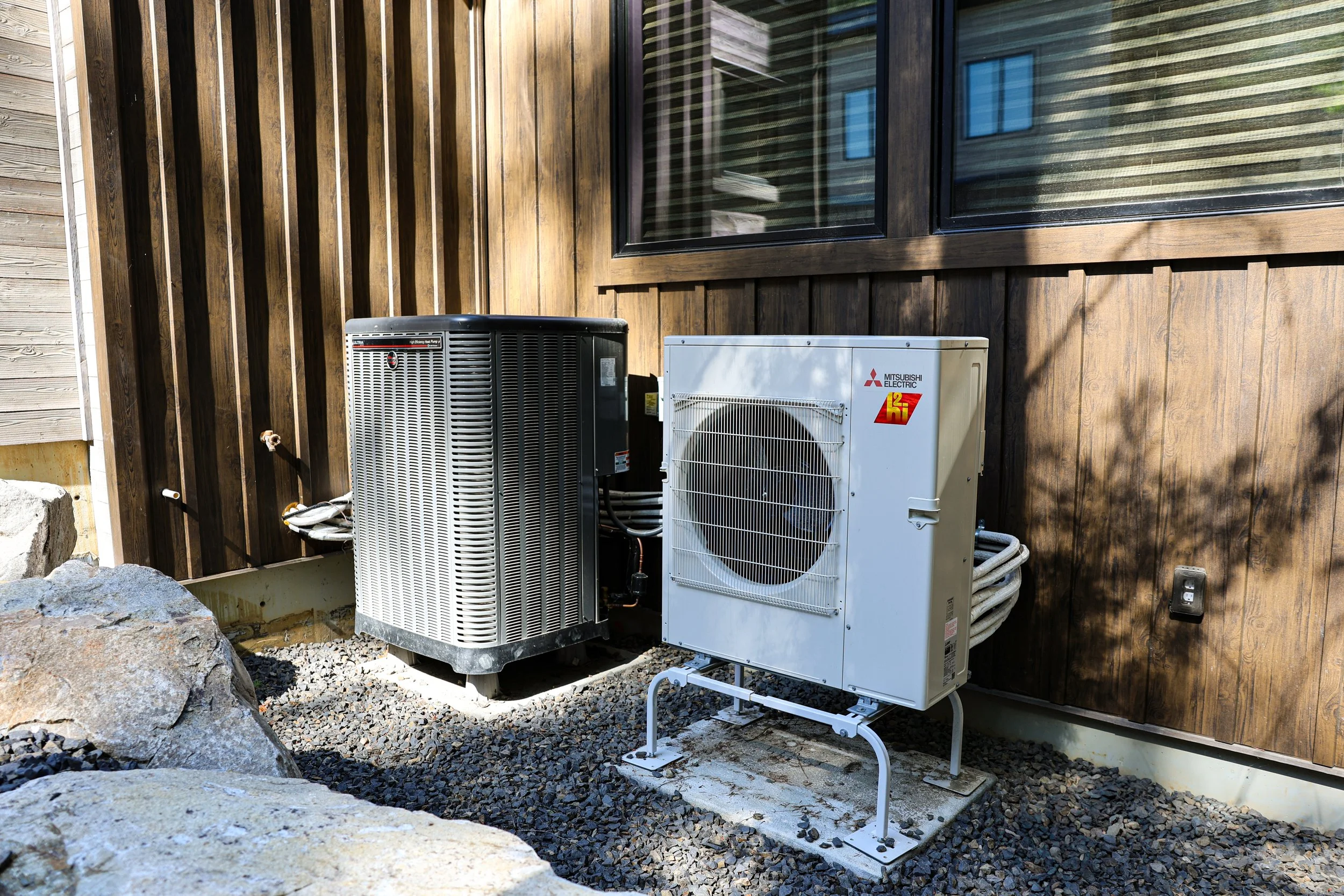
New Construction, HVAC System Install by Cool-it Heating & Air
1. Understanding the Average HVAC Lifespan: Why 15–20 Years Is the Limit
Most HVAC systems are designed to last 15 to 20 years, depending on factors like usage, maintenance, climate, and installation quality. Spokane’s climate places heavy demand on both heating and cooling, meaning systems often wear down faster than expected.
After two decades, your HVAC is likely experiencing:
Worn-out components
Reduced efficiency
Inconsistent performance
Rising indoor comfort issues
Frequent cycling or short-cycling
It’s not that the system can’t run after 20 years—it’s that it can’t run efficiently, affordably, or reliably.
2. How an Aging HVAC Quietly Drains Your Wallet
You might think your older system is saving you money because you've “avoided replacing it.” But the reality is quite the opposite.
Here’s where your money is actually going:
Higher energy bills
A 20-year-old HVAC operates at half the efficiency of today’s Energy Star–rated systems. That means your system works twice as hard to deliver the same results.
Repairs that never seem to end
Once a system hits the end of its lifespan:
Capacitors fail
Motors burn out
Refrigerant leaks become common
Thermostats disconnect
Coils deteriorate
And each repair—often hundreds or even thousands of dollars—keeps adding up.
Outdated technology
Older units simply weren’t built to meet modern efficiency standards, and they don’t have the smart features, airflow controls, or high SEER ratings that newer units offer.
3. Why Repairs Become More Expensive After 15–20 Years
At two decades old, your HVAC is not just wearing out—it’s often obsolete.
Hard-to-find parts
Manufacturers phase out components for older models. This means:
Limited availability
Longer wait times
Higher prices
Frequent breakdowns
Instead of one major issue, older systems usually suffer from multiple small failures—each one requiring a service call.
The cost-over-value imbalance
If your repair costs are approaching 30–40% of the cost of a new system, experts almost always recommend replacement. By year 20, many homeowners hit this threshold several times over.
4. Modern HVAC Systems Are Significantly More Energy-Efficient
One of the biggest reasons homeowners in Spokane choose replacement is energy savings.
Today’s systems offer:
Higher SEER2 ratings
Variable-speed motors
Smart thermostats
Zoned comfort options
Improved airflow control
All of these features result in dramatically lower monthly energy bills.
In fact, upgrading from a 20-year-old system can save you anywhere from 20% to 40% per month on heating and cooling costs.
5. Comfort Issues That Signal Your System Is Past Its Prime
Aging HVAC systems don’t just cost more—they make your home less comfortable.
Common symptoms include:
Uneven temperatures from room to room
Longer heating or cooling cycles
Weak airflow
Humidity problems
More dust or poor air quality
Loud or unusual noises
These aren't just inconveniences—they’re red flags that your system is struggling to keep up.
6. Safety Concerns with Old HVAC Systems
A 20-year-old system may also pose safety risks, especially if it hasn’t been consistently maintained.
Potential hazards include:
Carbon monoxide leaks from cracked heat exchangers
Electrical issues from failing wiring and motors
Refrigerant leaks, especially if the system still uses R-22
Ensuring your family’s safety is a major motivator for many homeowners to replace aging systems sooner rather than later.
7. How a New HVAC System Can Increase Your Home’s Value
If you’re planning to sell your home in the next few years, a new HVAC system is one of the top upgrades buyers look for.
A replacement system can:
Boost resale value
Make your home more marketable
Appeal to energy-conscious buyers
Reduce inspection issues
HVAC systems are a major point of negotiation—and a modern unit can help your home stand out in Spokane’s competitive real estate market.
8. Why Replacement Is More Cost-Effective Than Repairing an Old System
Let’s break it down:
Repairs
You’re spending money to keep an old, inefficient system running.
Replacement
You’re investing that money into a new, high-efficiency system that:
Lowers your bills
Improves comfort
Reduces emissions
Increases home value
Comes with a warranty
When you add up repair costs + energy loss + parts scarcity, replacement is often the smarter long-term investment.
9. Signs Your 20-Year-Old HVAC Needs to Be Replaced NOW
If you notice any of these warning signs, your system has likely reached the end:
Frequent repairs
Sudden spikes in energy bills
Uneven heating or cooling
Loud or strange noises
Running constantly
Poor indoor air quality
Uses R-22 refrigerant
Over 15 years old (20+ is well past lifespan)
If you have more than three of these symptoms, replacement is almost always the best choice.
10. Why Spokane Homeowners Trust Cool-It Heating & Air for HVAC Replacement
When it comes to HVAC replacement in the Spokane area, Cool-It Heating & Air is a trusted local expert known for:
Quality installations
Energy-efficient system options
Transparent pricing
Honest recommendations
Fast service
Top-tier equipment and warranties
Whether you're dealing with an aging furnace, AC unit, or complete system, Cool-It Heating & Air provides professional guidance to help you choose the best replacement for your home’s size, efficiency goals, and budget.
They understand Spokane’s climate challenges and install systems designed to handle both harsh winters and warm summers with ease.
11. Choosing the Right Replacement System: What to Look For
When you’re ready to replace your old system, focus on features that maximize comfort and energy savings.
Look for:
High SEER2 and AFUE ratings
Variable-speed technology
Smart thermostat compatibility
Zoned options for larger homes
Strong manufacturer warranties
Proper sizing (no oversized or undersized units)
Cool-It Heating & Air can walk you through these options and help you pick the perfect match for your home.
12. Financial Benefits of a New HVAC System
Upgrading your HVAC can provide:
Lower energy bills
Reduced repair expenses
Tax credits or rebates (depending on program availability)
Better monthly budgeting predictability
Long-term value increases
Plus, you get peace of mind knowing your home is comfortable year-round.
Conclusion: A 20-Year-Old HVAC System Has Already Done Its Job—Now It’s Time to Upgrade
A 20-year-old HVAC system isn’t just outdated—it’s likely costing you hundreds or even thousands of dollars every year in wasted energy, repairs, and poor performance. Replacing it is more than a home improvement—it's a smart financial move, a comfort upgrade, and a value booster for your property.
If you want to increase efficiency, reduce bills, and stay comfortable through Spokane’s extreme seasons, replacing your old HVAC with a modern, energy-efficient system is the smartest choice you can make.
And when you're ready to take that step, Cool-It Heating & Air is here to guide you with trusted, professional service from start to finish.