7 Signs You Need an HVAC Contractor in Sandpoint Before Summer Hits

When summer arrives in Sandpoint, most homeowners are ready for lake days, barbecues, and long sunny evenings. The last thing anyone wants is to deal with a failing air conditioner during the hottest stretch of the year. Unfortunately, many HVAC systems show warning signs long before they completely break down, and ignoring those signs can lead to expensive repairs, uncomfortable indoor temperatures, and rising energy bills.
Whether you own a home, manage a rental property, or run a business in North Idaho, understanding when to call an HVAC contractor in Sandpoint can save you time, stress, and money. Summer heat can put serious strain on aging heating and cooling systems, especially if they have not been properly maintained throughout the year.
In this article, we’ll cover the seven biggest warning signs that it’s time to contact an HVAC professional before summer temperatures peak. If you catch these issues early, you may be able to avoid a complete system failure right when you need cool air the most.
Why HVAC Maintenance Matters Before Summer
Many homeowners wait until their air conditioner stops working before scheduling service. The problem with this approach is that small HVAC issues often become much larger and more expensive over time.
Your heating and cooling system works hard year-round in North Idaho’s changing climate. Between cold winters and warm summers, HVAC equipment experiences constant wear and tear. Preventative maintenance helps ensure your system runs efficiently, safely, and reliably when outdoor temperatures rise.
A professional HVAC contractor in Sandpoint can identify hidden problems early, improve energy efficiency, and help extend the life of your system.
Sign #1: Your Energy Bills Keep Increasing
One of the clearest signs something is wrong with your HVAC system is a sudden spike in your monthly energy bill.
If your utility costs continue climbing even though your usage habits have not changed, your system may be struggling to operate efficiently. This often happens when:
Air filters are clogged
Refrigerant levels are low
Components are worn out
Ductwork has leaks
The system is overdue for maintenance
Older HVAC systems naturally become less efficient over time. Instead of cooling your home smoothly, they work harder and longer to maintain the same temperature.
A professional inspection can determine whether your system simply needs maintenance or if certain components should be repaired or replaced before summer begins.
Sign #2: Weak Airflow Throughout Your Home
If some rooms feel cooler than others or airflow from your vents seems weak, your HVAC system may have a serious issue developing.
Poor airflow can be caused by several factors, including:
Dirty Air Filters
A clogged filter restricts airflow and forces your system to work harder. This is one of the most common HVAC problems and one of the easiest to fix.
Failing Blower Motors
The blower motor is responsible for moving cooled air through your home. If it begins failing, airflow may become inconsistent or weak.
Blocked or Leaking Ductwork
Leaks or obstructions inside your ducts can prevent cool air from reaching certain areas of your home efficiently.
Frozen Evaporator Coils
When coils freeze, airflow can drop dramatically and your system may struggle to cool your home at all.
Weak airflow rarely improves on its own. Calling an HVAC contractor in Sandpoint early can prevent more serious damage later in the season.
Sign #3: Strange Noises Coming From Your HVAC System
HVAC systems are not completely silent, but unusual sounds should never be ignored.
If you hear any of the following noises, it’s time to schedule an inspection:
Grinding
Banging
Rattling
Screeching
Buzzing
Clicking
Each sound can point to a different issue.
For example:
Grinding may indicate motor problems
Banging can signal loose or broken components
Buzzing may involve electrical issues
Screeching often relates to worn belts or bearings
Many homeowners delay repairs because the system still technically works. However, unusual sounds often indicate internal damage that can worsen quickly once summer temperatures place extra stress on the unit.
Having a professional inspect the issue early may help avoid a full system replacement later.
Sign #4: Your Home Feels Humid Indoors
Your HVAC system does more than cool the air. It also helps remove excess humidity from your home.
If your indoor air suddenly feels sticky or humid, especially during mild weather, your air conditioner may not be functioning properly.
Excess humidity can lead to:
Mold growth
Poor indoor air quality
Musty odors
Increased allergy symptoms
Damage to wood flooring or furniture
A properly functioning air conditioner should maintain balanced indoor humidity levels during the summer months.
An experienced HVAC contractor in Sandpoint can diagnose whether your system is oversized, undersized, low on refrigerant, or experiencing another issue affecting humidity control.
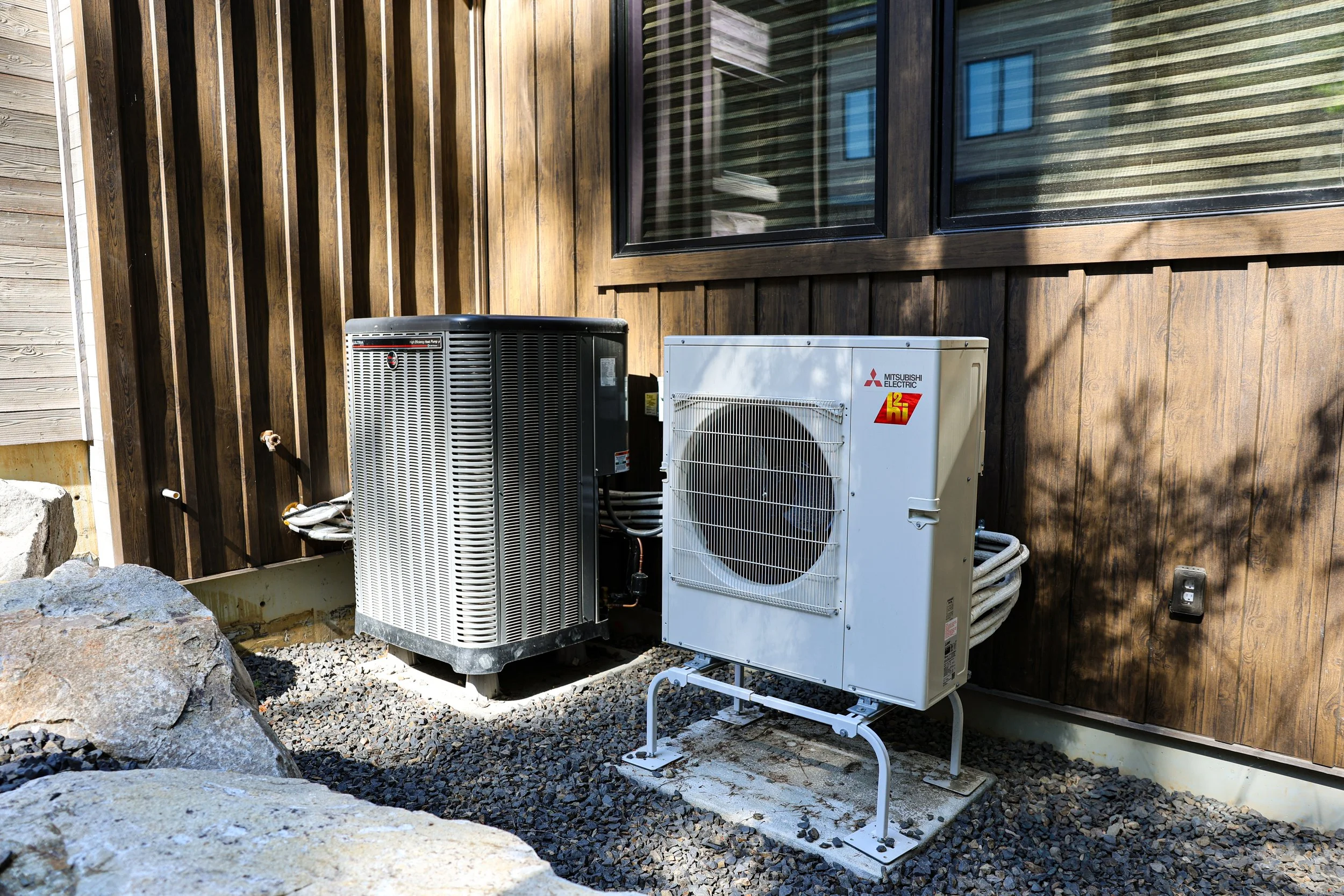
Sign #5: Your Air Conditioner Cycles Constantly
Does your AC turn on and off repeatedly throughout the day?
This issue, known as short cycling, is a common warning sign that something is wrong with your HVAC system.
Short cycling can happen because of:
Thermostat problems
Dirty coils
Refrigerant leaks
Electrical issues
Improper system sizing
Overheating components
Not only does short cycling reduce comfort levels, but it also places excessive strain on your equipment. Over time, this can shorten the lifespan of your HVAC system significantly.
If you notice constant cycling before summer arrives, addressing the problem early can help prevent a total breakdown during peak heat.
Sign #6: Unpleasant Smells Coming From Your Vents
Strange odors coming from your HVAC system should always be taken seriously.
Different smells may indicate different problems:
Burning Smells
This can point to overheating electrical components or motor issues.
Musty Odors
Musty smells often suggest mold or mildew growth inside your ductwork or HVAC system.
Rotten or Chemical Smells
Certain odors may indicate refrigerant leaks or other hazardous issues.
Indoor air quality plays a major role in your family’s comfort and health. Ignoring unusual smells can allow problems to worsen and potentially create unsafe conditions.
Professional HVAC technicians have the tools and experience needed to identify the source of odors and recommend proper repairs.
Sign #7: Your HVAC System Is More Than 10–15 Years Old
Even well-maintained HVAC systems eventually reach the end of their lifespan.
Most systems last around 10 to 15 years depending on:
Maintenance history
Usage levels
Installation quality
Climate conditions
Equipment type
Older systems tend to lose efficiency gradually, meaning homeowners often do not realize how much performance they have lost over the years.
Signs your aging system may need replacement include:
Frequent repairs
Higher utility bills
Uneven cooling
Increased noise
Difficulty maintaining temperature
Modern HVAC systems are significantly more energy efficient than older models. Upgrading before summer can reduce energy costs while improving overall comfort.
Companies like Cool-It Heating & Air often help homeowners evaluate whether repair or replacement makes the most financial sense based on the condition of the current system.
The Importance of Scheduling HVAC Service Early
One of the biggest mistakes homeowners make is waiting until the first major heat wave to schedule HVAC service.
During peak summer months, HVAC contractors often experience extremely high demand. That means:
Longer wait times
Emergency repair pricing
Limited appointment availability
Greater discomfort while waiting for repairs
Scheduling maintenance or repairs before summer begins allows technicians to address issues proactively instead of reactively.
Preventative service appointments may include:
Cleaning coils
Inspecting electrical components
Checking refrigerant levels
Testing airflow
Replacing filters
Calibrating thermostats
Identifying worn parts
Routine maintenance can improve efficiency, extend system lifespan, and reduce the likelihood of emergency repairs.

How North Idaho Weather Impacts HVAC Systems
Homes in North Idaho face unique heating and cooling challenges throughout the year.
Cold winters require heavy furnace use, while warmer summers place additional strain on air conditioning systems. These seasonal shifts can cause HVAC components to wear out faster than many homeowners realize.
Dust, pollen, wildfire smoke, and fluctuating humidity levels can also affect indoor air quality and HVAC performance.
Because of these conditions, working with a local HVAC contractor in Sandpoint who understands the regional climate can make a major difference in system reliability and efficiency.
Local technicians are often better equipped to recommend systems and maintenance schedules suited for North Idaho homes.
Common HVAC Problems Homeowners Ignore
Many HVAC problems start small but become costly when left untreated.
Here are a few issues homeowners commonly overlook:
Dirty Filters
A simple clogged filter can reduce airflow, increase energy usage, and strain your entire system.
Thermostat Inaccuracies
Incorrect temperature readings can lead to inefficient operation and uneven cooling.
Refrigerant Leaks
Low refrigerant levels reduce cooling performance and may damage the compressor over time.
Electrical Wear
Loose wiring and worn electrical components can create serious safety concerns.
Drainage Issues
Condensate drain clogs may cause water damage or humidity problems indoors.
Regular inspections help catch these issues before they lead to major system failures.
Benefits of Hiring a Professional HVAC Contractor
Attempting DIY HVAC repairs can sometimes make problems worse, especially when electrical systems or refrigerant are involved.
Hiring a professional HVAC contractor offers several advantages:
Accurate Diagnosis
Experienced technicians can identify the root cause of problems quickly.
Improved Efficiency
Professional maintenance helps systems run more efficiently and lowers energy costs.
Safer Operation
HVAC systems involve electrical components, gas connections, and refrigerants that require proper handling.
Longer Equipment Lifespan
Routine maintenance and timely repairs help extend the life of your HVAC investment.
Better Indoor Comfort
Properly functioning systems provide more consistent temperatures and improved airflow.
Working with trusted companies like Cool-It Heating & Air can help homeowners stay ahead of HVAC issues before they become expensive emergencies.
What to Expect During an HVAC Inspection
If you’ve never scheduled a professional HVAC inspection before, the process is usually straightforward and highly beneficial.
During a typical inspection, technicians may:
Inspect system components
Test thermostat operation
Check refrigerant levels
Examine electrical connections
Inspect ductwork
Clean coils and filters
Evaluate airflow performance
Identify worn or damaged parts
After the inspection, the technician will often recommend repairs, maintenance, or replacement options based on the condition of your system.
Routine inspections are one of the best ways to avoid surprise breakdowns during the hottest part of the summer.
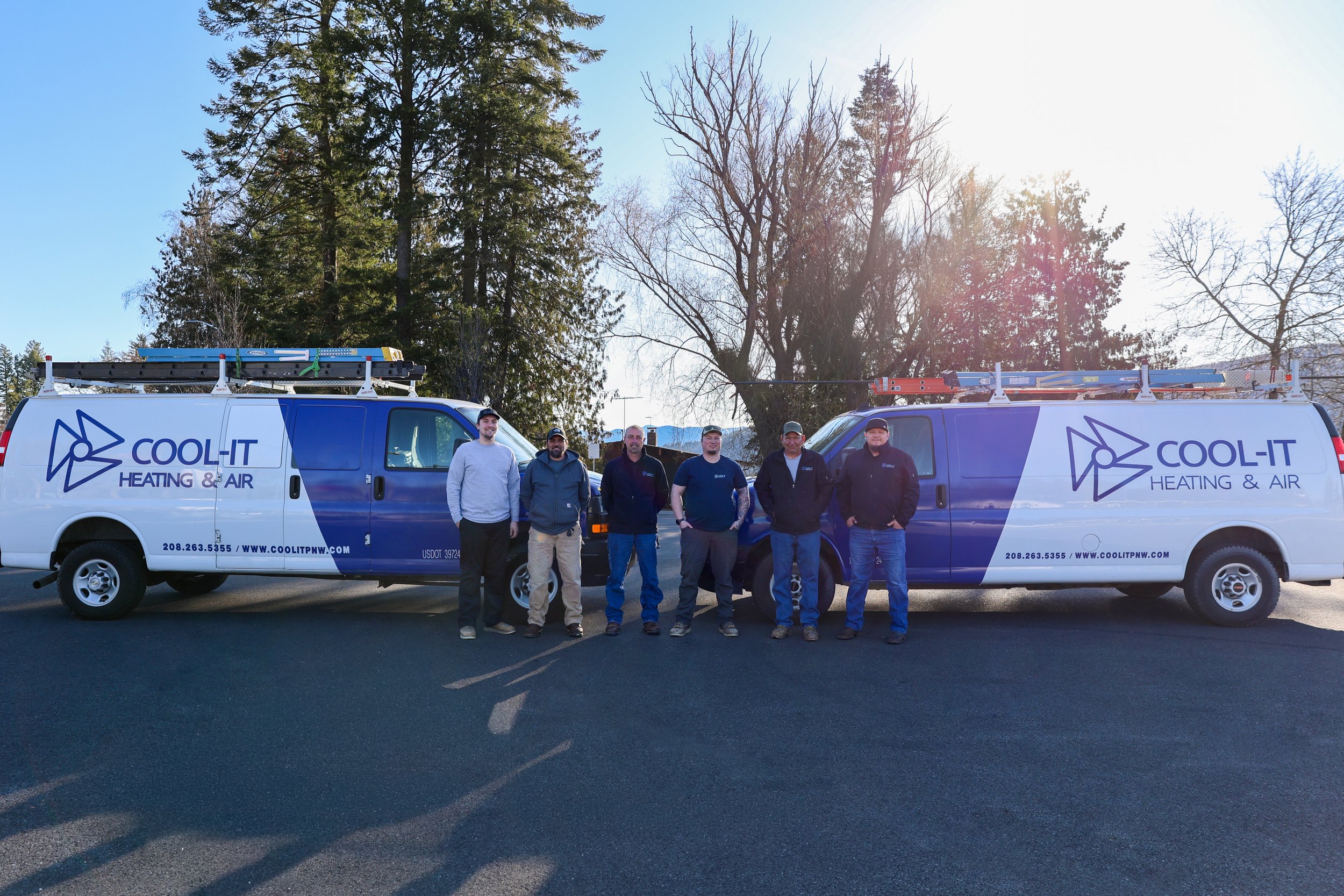
Cool-It Heating & Air Team 2026
Choosing the Right HVAC Contractor in Sandpoint
Not all HVAC companies provide the same level of service or expertise.
When choosing a contractor, look for:
Strong local reviews
Proper licensing and insurance
Experience with residential and commercial systems
Transparent pricing
Clear communication
Emergency service availability
Maintenance program options
A reliable HVAC contractor should prioritize long-term system performance rather than quick temporary fixes.
Many homeowners in North Idaho turn to Cool-It Heating & Air for preventative maintenance, repairs, and system upgrades before summer temperatures arrive.
Conclusion
Your HVAC system plays a major role in your comfort, energy efficiency, and indoor air quality throughout the summer months. Unfortunately, many homeowners ignore early warning signs until their air conditioner fails during the hottest part of the season.
If you notice rising energy bills, weak airflow, strange noises, humidity issues, short cycling, unusual smells, or an aging system, it may be time to contact an HVAC contractor in Sandpoint before summer hits.
Addressing small problems early can help you avoid expensive repairs, improve efficiency, and keep your home comfortable when temperatures rise. Preventative maintenance and timely inspections are some of the smartest investments homeowners can make for long-term HVAC performance.
By staying proactive now, you can enjoy a cooler, more comfortable summer without the stress of unexpected HVAC breakdowns.